
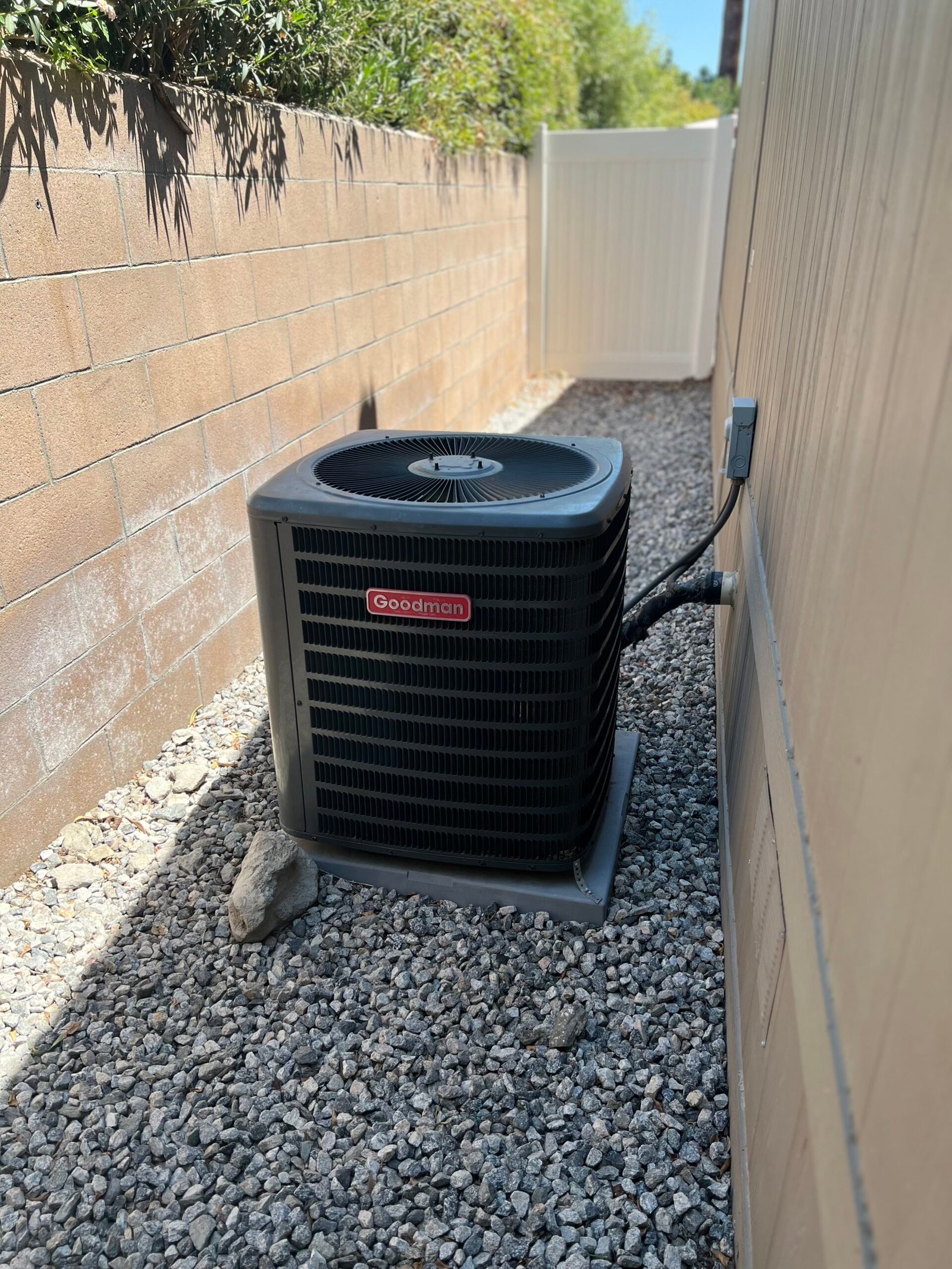
Understanding Common Air Conditioner Issues
Air conditioning units can encounter a variety of problems that affect their performance and efficiency. Recognizing these issues at an early stage is crucial for timely and effective DIY repair. One of the most common problems is insufficient cooling. If your air conditioner fails to lower the temperature as desired, it could indicate a refrigerant leak, a malfunctioning compressor, or clogged air filters. Symptoms include warm air blowing from the vents or the unit failing to reach set temperatures.
Another prevalent issue is strange noises emanating from the unit. These sounds might include hissing, grinding, or banging noises that suggest mechanical problems within the air conditioning system. A hissing noise can indicate a refrigerant leak, while grinding or banging may imply worn-out bearings or loose components. Identifying these sounds early can prevent further damage and costly repairs.
Frequent cycling or short cycling is yet another concern associated with air conditioning units. This occurs when the system turns on and off at irregular intervals instead of running continuously. Short cycling can be due to an incorrectly sized unit, a malfunctioning thermostat, or issues with the electrical components. Signs of this issue can manifest as inconsistent indoor temperatures or increased utility bills, indicating that the system is working harder than necessary.
By familiarizing yourself with these common air conditioner issues, you can better diagnose problems in your unit. A thorough understanding of these symptoms will empower you to take appropriate action, ensuring that necessary repairs can be undertaken efficiently and safely. Whether it’s cleaning filters, checking for leaks, or inspecting electrical components, recognizing early signs of trouble can lead to a more effective DIY air conditioner repair experience.
Essential Tools and Safety Precautions
When it comes to DIY air conditioner repair, having the appropriate tools at your disposal is vital for successfully addressing common issues. Basic repair tasks require a selection of essential tools that can make the process more efficient and safer. A screwdriver set, which includes flathead and Phillips screwdrivers, allows you to access various components within the air conditioning unit. Additionally, a multimeter is crucial for testing electrical components, ensuring that you can identify potential faults. Another important tool is a vacuum cleaner, particularly one with a fine filter, which can effectively clean dust and debris from the internal parts of the air conditioner, improving its overall efficiency.
In addition to the right tools, adhering to safety precautions is paramount when performing any repairs. First and foremost, always turn off the power to the air conditioning unit before starting any work. This can usually be done by switching off the circuit breaker that supplies power to the unit. It prevents accidents, electrical shocks, and further damage to the system. Furthermore, wearing appropriate protective gear, such as gloves and safety goggles, should not be overlooked. This equipment helps protect you from sharp edges, contaminants, and potential dangers associated with electrical repairs.
It is also essential to familiarize yourself with the risks involved in DIY air conditioner repairs. Recognizing what can go wrong and understanding the limitations of your skill set can help mitigate risks. If a repair procedure appears complex or outside your comfort zone, considering professional assistance may be a safer approach. By mastering basic tools and focusing on safety precautions, you can confidently handle essential air conditioning repairs without compromising your safety or the integrity of the unit.
Step-by-Step Guide to Troubleshooting and Fixing Your Air Conditioner
When your air conditioner fails to perform adequately, it can be frustrating, especially during hot weather. By following a systematic approach to troubleshoot and fix your unit, you can avoid costly professional repairs. Begin your DIY journey with the following steps.
First, ensure that the power supply to the air conditioning unit is functioning. Check the circuit breaker for any tripped switches and reset them if necessary. Once you confirm power is reaching your unit, check the thermostat setting. Sometimes, the issue is as simple as incorrect temperature settings or a malfunctioning thermostat.
The next step involves inspecting and cleaning or replacing the air filters. Clogged or dirty filters obstruct air flow, leading to inefficient cooling. Remove the filter from the return air duct and inspect it for dust and debris. If the filter appears dirty, replace it with a clean one or clean it according to the manufacturer’s instructions.
After addressing the filters, shift your attention to the evaporator and condenser coils. Dust and dirt can accumulate on these components, diminishing the unit’s efficiency. Use a soft brush or cloth to carefully clean the accessible areas of the coils. For a more thorough clean, consider turning off the power and using a garden hose with low pressure to rinse off any debris.
The refrigerant levels also significantly impact the cooling capabilities of your air conditioner. If you suspect low refrigerant levels, inspect the outdoor unit and look for any signs of leaks. If you identify a leak, it is advisable to consult a professional to handle refrigerant recharge safely.
Additionally, assess the drainage system. A clogged drain line can cause water build-up, impacting overall functionality. Clear any observable blockages, and ensure the drain pan and line are clean and functioning properly.
By following these troubleshooting steps, you can effectively diagnose and remediate common air conditioning problems yourself. Remember to always prioritize your safety while performing these tasks, and do not hesitate to consult a professional for complex issues.
When to Seek Professional Help
While DIY air conditioner repairs can save homeowners both time and money, there are specific scenarios where this approach may not be advisable. Understanding the signs that indicate the need for professional assistance is crucial to ensure safety and the longevity of your HVAC system.
First and foremost, if you notice any unusual noises—such as grinding, squealing, or hissing—emerging from your air conditioning unit, it is time to contact a professional. These sounds can indicate serious mechanical issues that, if not addressed promptly and properly, can lead to further damage. Ignoring these warnings may exacerbate the situation, leading to more extensive and costly repairs.
In addition to unusual sounds, consider seeking professional help if you observe any refrigerant leaks. Refrigerants are essential for the cooling process and can be hazardous to both health and the environment if handled improperly. Attempting to repair a refrigerant leak without the appropriate expertise can be risky and is often illegal due to environmental regulations. Professionals have the necessary training and equipment to manage and repair refrigerant-related issues safely.
Furthermore, if your air conditioning unit frequently cycles on and off or fails to effectively cool your space, it is a symptom of a complicated underlying problem. These issues may involve intricate components that require specialized knowledge for analysis and repair. Errors during a DIY attempt can lead not only to ineffective repairs but may also endanger the entire system.
Ultimately, while DIY repairs are tempting for minor air conditioning issues, approaching complex problems without the right knowledge can turn into a safety hazard. In cases of serious malfunction, it is prudent to enlist the expertise of a certified technician, ensuring that your air conditioning unit is repaired correctly, efficiently, and safely.