(951) 404 6171

info@hightech-hvacr.com

GET A QUOTE
High Tech HVACR
  • Home
  • Heating
  • Cooling
  • Commercial
    • Commercial Refrigeration
    • HVAC Installations & Replacements
    • HVAC Maintenance & Repair
  • Service Areas
    • San Diego
    • Los Angeles
    • Murrieta
    • Orange County
    • Temecula
    • Escondido
    • Riverside
    • Corona
    • San Bernardino
  • Contact us
  • Blog
  • About us
  • DIY Air Conditioner Repair: Fixing Your Unit Safely Without Professional Help

    DIY Air Conditioner Repair: Fixing Your Unit Safely Without Professional Help

    Understanding Common Air Conditioner Issues

    Air conditioning units can encounter a variety of problems that affect their performance and efficiency. Recognizing these issues at an early stage is crucial for timely and effective DIY repair. One of the most common problems is insufficient cooling. If your air conditioner fails to lower the temperature as desired, it could indicate a refrigerant leak, a malfunctioning compressor, or clogged air filters. Symptoms include warm air blowing from the vents or the unit failing to reach set temperatures.

    Another prevalent issue is strange noises emanating from the unit. These sounds might include hissing, grinding, or banging noises that suggest mechanical problems within the air conditioning system. A hissing noise can indicate a refrigerant leak, while grinding or banging may imply worn-out bearings or loose components. Identifying these sounds early can prevent further damage and costly repairs.

    Frequent cycling or short cycling is yet another concern associated with air conditioning units. This occurs when the system turns on and off at irregular intervals instead of running continuously. Short cycling can be due to an incorrectly sized unit, a malfunctioning thermostat, or issues with the electrical components. Signs of this issue can manifest as inconsistent indoor temperatures or increased utility bills, indicating that the system is working harder than necessary.

    By familiarizing yourself with these common air conditioner issues, you can better diagnose problems in your unit. A thorough understanding of these symptoms will empower you to take appropriate action, ensuring that necessary repairs can be undertaken efficiently and safely. Whether it’s cleaning filters, checking for leaks, or inspecting electrical components, recognizing early signs of trouble can lead to a more effective DIY air conditioner repair experience.

    Essential Tools and Safety Precautions

    When it comes to DIY air conditioner repair, having the appropriate tools at your disposal is vital for successfully addressing common issues. Basic repair tasks require a selection of essential tools that can make the process more efficient and safer. A screwdriver set, which includes flathead and Phillips screwdrivers, allows you to access various components within the air conditioning unit. Additionally, a multimeter is crucial for testing electrical components, ensuring that you can identify potential faults. Another important tool is a vacuum cleaner, particularly one with a fine filter, which can effectively clean dust and debris from the internal parts of the air conditioner, improving its overall efficiency.

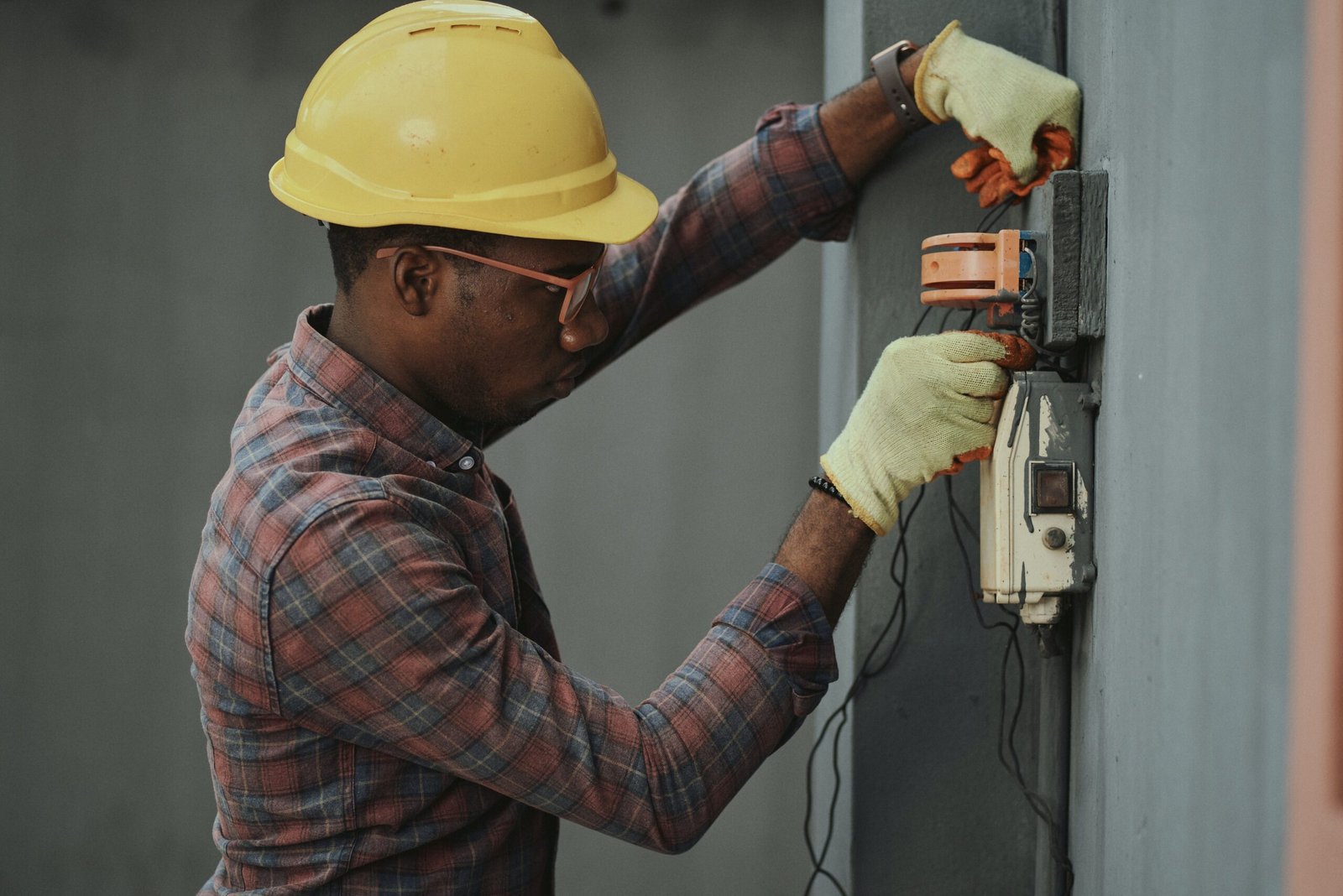
    In addition to the right tools, adhering to safety precautions is paramount when performing any repairs. First and foremost, always turn off the power to the air conditioning unit before starting any work. This can usually be done by switching off the circuit breaker that supplies power to the unit. It prevents accidents, electrical shocks, and further damage to the system. Furthermore, wearing appropriate protective gear, such as gloves and safety goggles, should not be overlooked. This equipment helps protect you from sharp edges, contaminants, and potential dangers associated with electrical repairs.

    It is also essential to familiarize yourself with the risks involved in DIY air conditioner repairs. Recognizing what can go wrong and understanding the limitations of your skill set can help mitigate risks. If a repair procedure appears complex or outside your comfort zone, considering professional assistance may be a safer approach. By mastering basic tools and focusing on safety precautions, you can confidently handle essential air conditioning repairs without compromising your safety or the integrity of the unit.

    Step-by-Step Guide to Troubleshooting and Fixing Your Air Conditioner

    When your air conditioner fails to perform adequately, it can be frustrating, especially during hot weather. By following a systematic approach to troubleshoot and fix your unit, you can avoid costly professional repairs. Begin your DIY journey with the following steps.

    First, ensure that the power supply to the air conditioning unit is functioning. Check the circuit breaker for any tripped switches and reset them if necessary. Once you confirm power is reaching your unit, check the thermostat setting. Sometimes, the issue is as simple as incorrect temperature settings or a malfunctioning thermostat.

    The next step involves inspecting and cleaning or replacing the air filters. Clogged or dirty filters obstruct air flow, leading to inefficient cooling. Remove the filter from the return air duct and inspect it for dust and debris. If the filter appears dirty, replace it with a clean one or clean it according to the manufacturer’s instructions.

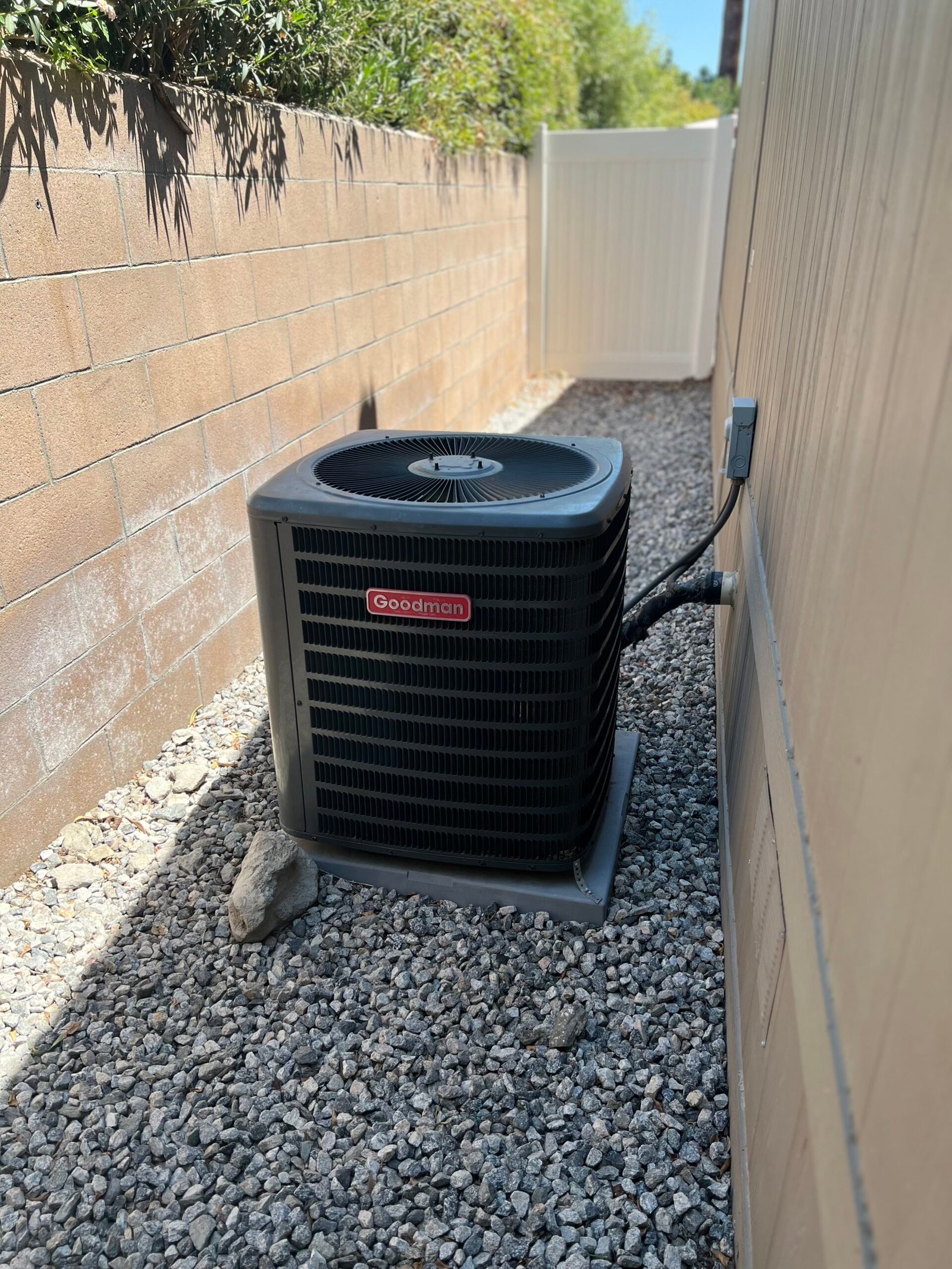
    After addressing the filters, shift your attention to the evaporator and condenser coils. Dust and dirt can accumulate on these components, diminishing the unit’s efficiency. Use a soft brush or cloth to carefully clean the accessible areas of the coils. For a more thorough clean, consider turning off the power and using a garden hose with low pressure to rinse off any debris.

    The refrigerant levels also significantly impact the cooling capabilities of your air conditioner. If you suspect low refrigerant levels, inspect the outdoor unit and look for any signs of leaks. If you identify a leak, it is advisable to consult a professional to handle refrigerant recharge safely.

    Additionally, assess the drainage system. A clogged drain line can cause water build-up, impacting overall functionality. Clear any observable blockages, and ensure the drain pan and line are clean and functioning properly.

    By following these troubleshooting steps, you can effectively diagnose and remediate common air conditioning problems yourself. Remember to always prioritize your safety while performing these tasks, and do not hesitate to consult a professional for complex issues.

    When to Seek Professional Help

    While DIY air conditioner repairs can save homeowners both time and money, there are specific scenarios where this approach may not be advisable. Understanding the signs that indicate the need for professional assistance is crucial to ensure safety and the longevity of your HVAC system.

    First and foremost, if you notice any unusual noises—such as grinding, squealing, or hissing—emerging from your air conditioning unit, it is time to contact a professional. These sounds can indicate serious mechanical issues that, if not addressed promptly and properly, can lead to further damage. Ignoring these warnings may exacerbate the situation, leading to more extensive and costly repairs.

    In addition to unusual sounds, consider seeking professional help if you observe any refrigerant leaks. Refrigerants are essential for the cooling process and can be hazardous to both health and the environment if handled improperly. Attempting to repair a refrigerant leak without the appropriate expertise can be risky and is often illegal due to environmental regulations. Professionals have the necessary training and equipment to manage and repair refrigerant-related issues safely.

    Furthermore, if your air conditioning unit frequently cycles on and off or fails to effectively cool your space, it is a symptom of a complicated underlying problem. These issues may involve intricate components that require specialized knowledge for analysis and repair. Errors during a DIY attempt can lead not only to ineffective repairs but may also endanger the entire system.

    Ultimately, while DIY repairs are tempting for minor air conditioning issues, approaching complex problems without the right knowledge can turn into a safety hazard. In cases of serious malfunction, it is prudent to enlist the expertise of a certified technician, ensuring that your air conditioning unit is repaired correctly, efficiently, and safely.
    hightech-hvacr.com

    February 16, 2026
    Home Improvement
    air conditioning
  • Top 6 Reasons to Schedule a HVAC Repair Service

    Top 6 Reasons to Schedule a HVAC Repair Service

    Contact Us

    Call Now
    Book Appointment

    When it comes to maintaining a comfortable and healthy home, having a properly functioning HVAC (Heating, Ventilation, and Air Conditioning) system is crucial. Regular maintenance and timely repairs are essential to ensure that your HVAC system operates efficiently and effectively. Here are the top six reasons why you should schedule a HVAC repair service:

    1. Improved Energy Efficiency

    An HVAC system that is not functioning optimally can consume more energy than necessary. This can result in higher energy bills and unnecessary strain on the system. By scheduling regular HVAC repair services, you can identify and fix any issues that may be causing your system to work harder than it should. This will help improve energy efficiency and reduce your energy costs in the long run.

    2. Extended Lifespan of Your HVAC System

    Regular maintenance and timely repairs can significantly extend the lifespan of your HVAC system. Neglecting minor issues can lead to major problems down the line, which may require expensive repairs or even a complete system replacement. By addressing any issues early on, you can prevent further damage and ensure that your HVAC system continues to operate efficiently for years to come.

    3. Improved Indoor Air Quality

    Your HVAC system plays a crucial role in maintaining the indoor air quality of your home. Over time, dust, dirt, and other pollutants can accumulate in your system, leading to poor air quality. Regular HVAC repair services include cleaning and inspecting your system to remove any contaminants and ensure that the air circulating in your home is clean and healthy. This is especially important for individuals with allergies or respiratory conditions.

    4. Enhanced Comfort

    If your HVAC system is not functioning properly, it can result in uneven heating or cooling throughout your home. Some rooms may be too hot, while others may be too cold. By scheduling a HVAC repair service, you can address any issues that may be affecting the comfort of your home. Whether it’s a faulty thermostat, a clogged air filter, or a problem with the ductwork, a professional technician can identify and fix the issue, ensuring that every room in your home is comfortable.

    5. Safety

    A malfunctioning HVAC system can pose safety risks to you and your family. Issues such as gas leaks, electrical problems, or carbon monoxide leaks can have serious consequences. By scheduling regular HVAC repair services, you can ensure that your system is in good working condition and minimize the risk of any safety hazards. Professional technicians have the knowledge and expertise to identify and rectify any potential safety issues, providing you with peace of mind.

    6. Cost Savings

    While it may seem counterintuitive to spend money on HVAC repairs, it can actually save you money in the long run. By addressing minor issues early on, you can prevent them from turning into major problems that require costly repairs or system replacements. Regular maintenance and timely repairs can also help improve energy efficiency, resulting in lower energy bills. Additionally, a well-maintained HVAC system is less likely to break down unexpectedly, saving you from emergency repair expenses.

    In conclusion, scheduling regular HVAC repair services is essential for maintaining the efficiency, longevity, and safety of your HVAC system. By addressing any issues early on, you can prevent further damage and ensure that your system operates optimally. Additionally, regular maintenance and repairs can improve energy efficiency, indoor air quality, and overall comfort while saving you money in the long run. Don’t wait until a minor issue becomes a major problem – schedule a HVAC repair service today!

    Call Now
    Book Appointment

    hightech-hvacr.com

    April 17, 2024
    Home Improvement
    energy efficiency, HVAC repair, indoor air quality
  • Use Your Tax Return to Upgrade Your San Diego HVAC

    Use Your Tax Return to Upgrade Your San Diego HVAC

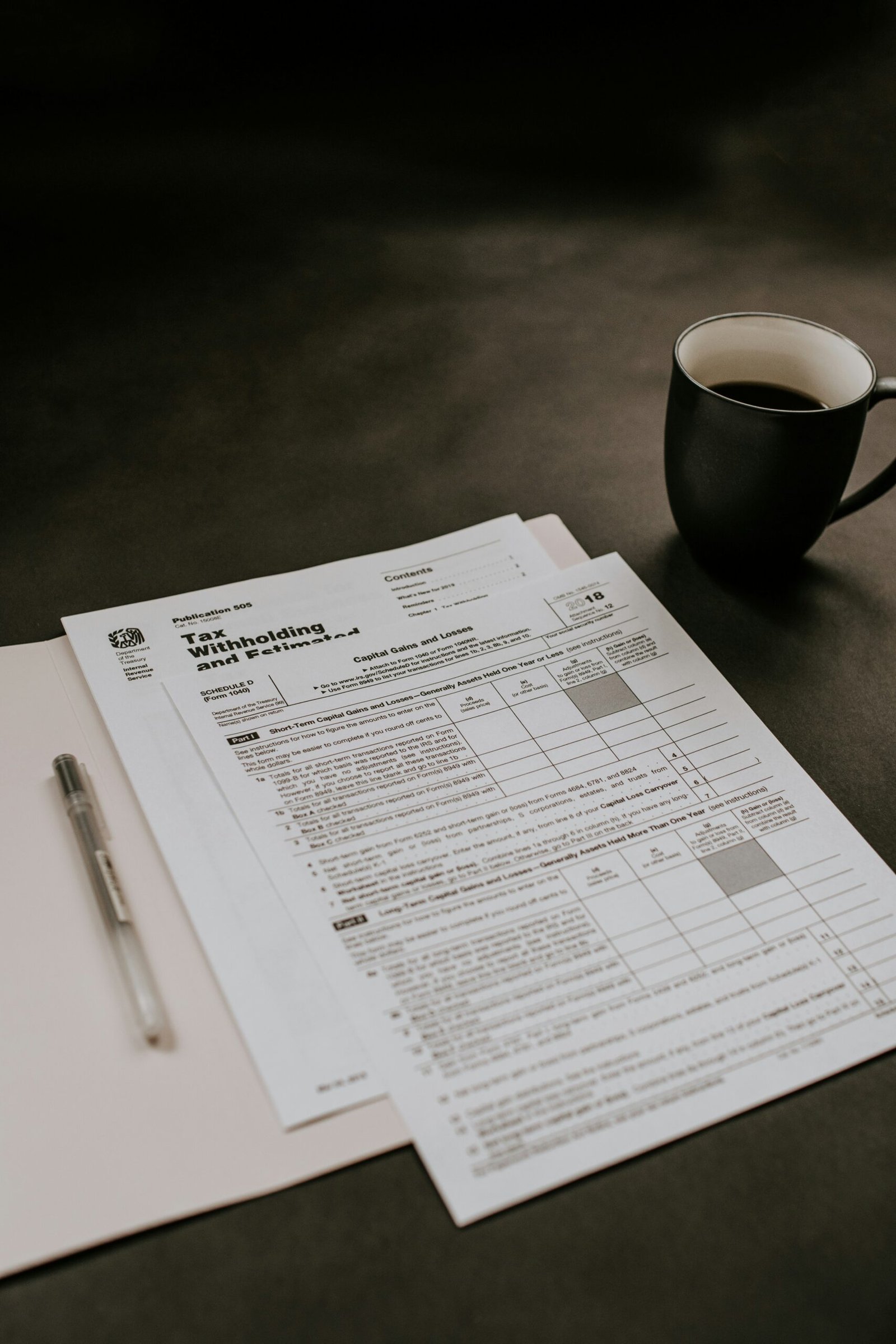
    Are you looking to make the most of your tax return this year? Why not invest it in upgrading your HVAC system in San Diego? Upgrading your HVAC system not only improves the comfort of your home but also offers long-term energy savings. Plus, with the tax return, you can make the upgrade without straining your budget.

    Here are a few reasons why using your tax return to upgrade your San Diego HVAC system is a smart move:

    Improved Energy Efficiency

    An upgraded HVAC system can significantly improve energy efficiency, helping you save on your monthly utility bills. Newer models are designed to be more energy-efficient, consuming less electricity while providing optimal heating and cooling. With an upgraded system, you can enjoy a comfortable indoor environment without worrying about skyrocketing energy costs.

    Enhanced Comfort

    Upgrading your HVAC system allows you to experience enhanced comfort throughout your home. Newer models offer improved airflow, better temperature control, and advanced features like programmable thermostats. You can customize your indoor climate to suit your preferences and enjoy consistent comfort all year round.

    Better Indoor Air Quality

    An upgraded HVAC system can help improve the indoor air quality in your San Diego home. Newer models come with advanced air filtration systems that can effectively remove dust, pollen, allergens, and other contaminants from the air. This is especially beneficial for individuals with allergies or respiratory conditions, as it helps create a healthier living environment.

    Increased Home Value

    Investing in a new HVAC system can increase the value of your home. If you plan to sell your property in the future, having a modern and energy-efficient HVAC system can be an attractive selling point. Potential buyers will appreciate the added comfort, energy savings, and peace of mind that comes with a recently upgraded HVAC system.

    So, why not put your tax return to good use and upgrade your San Diego HVAC system? Contact a reputable HVAC contractor in your area to discuss your options and find the best system that fits your needs and budget. Enjoy improved comfort, energy savings, and better air quality with a modern HVAC upgrade.

    hightech-hvacr.com

    March 2, 2024
    Home Improvement
    energy efficiency, HVAC system, tax return
  • How Does an Old Furnace Affect Your Utility Bill

    How Does an Old Furnace Affect Your Utility Bill

    Introduction

    An old furnace can have a significant impact on your utility bill. As furnaces age, they become less efficient, leading to increased energy consumption and higher heating costs. In this blog post, we will explore the various ways in which an old furnace can affect your utility bill and provide some tips on how to mitigate these effects.

    1. Decreased Energy Efficiency

    One of the main reasons why an old furnace can cause your utility bill to skyrocket is its decreased energy efficiency. Over time, furnaces experience wear and tear, which can lead to a decline in their performance. Older furnaces may have outdated technology and lack modern features that promote energy efficiency.

    For example, newer furnaces are equipped with advanced features like variable-speed blowers and smart thermostats that help regulate temperature more efficiently. These features allow the furnace to adjust its output based on the heating needs of your home, resulting in reduced energy consumption and lower utility bills.

    2. Inefficient Fuel Consumption

    An old furnace may also consume fuel inefficiently, leading to higher utility bills. As furnaces age, their combustion chambers and heat exchangers can become dirty or damaged, affecting their ability to burn fuel efficiently. This can result in wasted fuel and increased energy consumption.

    Regular maintenance and cleaning are essential to ensure that your furnace operates at its optimal efficiency. By scheduling annual inspections and cleaning, you can address any issues before they escalate and improve your furnace’s fuel consumption, ultimately reducing your utility bills.

    3. Increased Repair and Maintenance Costs

    Old furnaces are more prone to breakdowns and require frequent repairs and maintenance. As a result, you may find yourself spending more money on repairs and service calls, which can significantly impact your utility bill.

    Additionally, older furnaces may require specialized parts that are no longer readily available, leading to longer wait times for repairs and higher costs for replacement parts. These factors can contribute to increased repair and maintenance expenses, further adding to your utility bill.

    4. Lack of Programmable Thermostats

    Many older furnaces lack programmable thermostats, which can contribute to higher utility bills. Programmable thermostats allow you to set different temperatures for different times of the day, ensuring that your furnace operates efficiently when needed and reduces energy consumption when not in use.

    By upgrading to a programmable thermostat, you can optimize your furnace’s performance and reduce unnecessary energy usage, resulting in lower utility bills.

    5. Inadequate Insulation

    An old furnace may also highlight issues with insulation in your home. Inefficient insulation can lead to heat loss, causing your furnace to work harder and consume more energy to maintain a comfortable temperature. This increased energy consumption can have a direct impact on your utility bill.

    Consider having a professional assess your home’s insulation and make the necessary improvements. By addressing insulation issues, you can reduce heat loss, improve your furnace’s efficiency, and ultimately lower your utility bills.

    Conclusion

    An old furnace can have a significant impact on your utility bill due to decreased energy efficiency, inefficient fuel consumption, increased repair and maintenance costs, lack of programmable thermostats, and inadequate insulation. To mitigate these effects, it is crucial to invest in regular maintenance, consider upgrading to a more energy-efficient furnace, and address any insulation issues in your home. By taking these steps, you can enjoy a more comfortable home while keeping your utility bills under control.

    hightech-hvacr.com

    December 5, 2023
    Blog, Home Improvement, Home Maintenance
    energy efficiency, old furnace, utility bill
  • Cool Comfort 101: AC Maintenance Essentials for Every Homeowner

    Cool Comfort 101: AC Maintenance Essentials for Every Homeowner

    Introduction

    As a homeowner, it’s essential to ensure that your air conditioning (AC) system is well-maintained to provide cool comfort during the hot summer months. Regular AC maintenance not only helps to extend the lifespan of your unit but also improves its energy efficiency. In this blog post, we will discuss the AC maintenance essentials that every homeowner should know.

    1. Clean or Replace Air Filters

    One of the most important AC maintenance tasks is to clean or replace the air filters regularly. Clogged filters can restrict airflow, making your AC work harder and less efficiently. Clean or replace the filters every 1-3 months, depending on usage.

    2. Check and Clean the Condenser Coils

    The condenser coils, located in the outdoor unit, can accumulate dirt and debris over time. This buildup reduces the efficiency of the AC system. Use a soft brush or a vacuum cleaner to gently clean the coils and remove any debris.

    3. Inspect and Clean the Evaporator Coils

    The evaporator coils, located in the indoor unit, can also accumulate dust and dirt. Inspect the coils and clean them if necessary. Use a soft brush or a coil cleaner to remove any buildup.

    4. Check and Clear the Condensate Drain

    The condensate drain can become clogged with algae or debris, leading to water leakage and potential damage. Regularly check the drain and clear any blockages using a mixture of bleach and water.

    5. Schedule Professional Maintenance

    While there are several AC maintenance tasks you can do yourself, it’s also important to schedule professional maintenance at least once a year. A trained technician can perform a thorough inspection, identify any potential issues, and ensure that your AC system is running efficiently.

    Conclusion

    By following these AC maintenance essentials, you can keep your unit running smoothly, improve energy efficiency, and enjoy cool comfort all summer long. Regular maintenance not only saves you money on energy bills but also helps to prevent costly repairs in the future. Remember, a well-maintained AC system is a key ingredient for a comfortable home.

    hightech-hvacr.com

    December 5, 2023
    Blog, Home Improvement, Home Maintenance
    AC maintenance, air conditioning, homeowner
Quick links
  • Home
  • Heating
  • Cooling
  • Contact us
  • About us
Commercial
  • Commercial Refrigeration
  • HVAC Installations & Replacements
  • HVAC Maintenance & Repair
Service Areas
  • San Diego
  • Los Angeles
  • Murrieta
  • Orange County
  • Temecula
  • Escondido
  • Riverside
  • Corona
  • San Bernardino
Social Media
  • Facebook
  • X
  • LinkedIn
  • YouTube
  • TikTok

CSLB #1112220

Copyright ©2023 High Tech HVACR. All Rights Reserved.